Introduction
In today’s digital world, a fast and stable internet connection is no longer a luxury—it is a necessity. Whether you are streaming high-definition videos, attending online meetings, gaming, or downloading large files, your internet performance directly affects your experience. One of the most reliable ways to evaluate your connection quality is by using a Download Speed Test. This simple yet powerful tool helps users understand how quickly data is transferred from the internet to their device.
A download speed test not only reveals your current internet speed but also helps identify network issues, service provider limitations, and device-related problems. Many users pay for high-speed internet plans but never actually verify whether they are receiving the promised speeds. By running a download speed test regularly, you can ensure transparency, optimize performance, and make informed decisions about your internet service.
In this in-depth guide, we will explain what a download speed test is, how it works, why it matters, and how you can improve your download speeds. This article follows E-E-A-T principles, ensuring expert-level, trustworthy, and practical information you can rely on.
What Is a Download Speed Test?
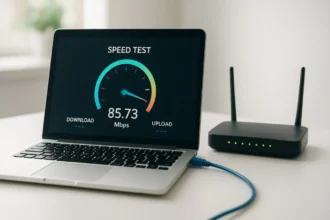
A download speed test measures how fast data is transferred from a remote server to your device over the internet. The result is usually displayed in Mbps (megabits per second). Higher Mbps values indicate faster download speeds and better performance.
Download speed is especially important because most online activities depend on it, including:
- Streaming videos on YouTube, Netflix, or Amazon Prime
- Downloading software, apps, or files
- Browsing websites and loading images
- Online gaming updates and patches
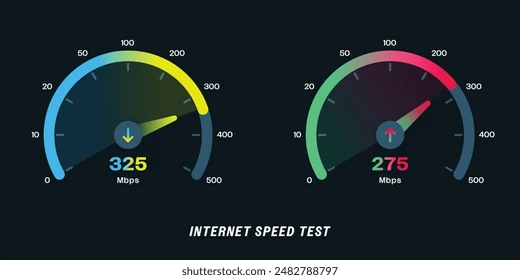
A speed test typically checks three main metrics:
- Download Speed – How fast data comes to your device
- Upload Speed – How fast data leaves your device
- Ping (Latency) – Response time between your device and the server
Among these, download speed is the most critical for everyday users.
How Does a Download Speed Test Work?
When you run a download speed test, the tool connects your device to a nearby test server. It then sends data packets from the server to your device and measures how quickly they are received.
The Testing Process Explained
- The test server sends multiple chunks of data simultaneously
- Your device downloads this data in real time
- The tool calculates the average speed based on transfer time
Modern speed test tools automatically select the closest server to ensure accurate results. Factors like network congestion, Wi-Fi strength, and device performance can influence test outcomes.
Real-World Example
If your internet plan promises 50 Mbps, but your download speed test consistently shows 20–25 Mbps, this indicates a potential issue—either with your ISP, router, or network setup.
Why Download Speed Matters More Than You Think
Many users underestimate the importance of download speed until they experience buffering, lag, or failed downloads. A slow connection can reduce productivity and cause frustration.
Recommended Download Speeds
- 5 Mbps – Basic browsing and emails
- 10–20 Mbps – HD streaming and video calls
- 50 Mbps – Multiple devices, gaming, 4K streaming
- 100+ Mbps – Heavy usage, smart homes, large downloads
Running a download speed test helps determine whether your current plan matches your usage needs.
Common Factors That Affect Download Speed
Several internal and external factors can impact your results.
1. Internet Service Provider (ISP)
Your ISP plays a major role. Peak-hour congestion or outdated infrastructure can reduce speeds.
2. Wi-Fi Signal Strength
Weak signals, thick walls, or long distances from the router can slow downloads.
3. Device Performance
Older devices may not support high-speed connections effectively.
4. Background Applications
Downloads, cloud backups, or streaming on other devices consume bandwidth.
How to Run an Accurate Download Speed Test
To get reliable results, follow these best practices:
- Use a wired Ethernet connection if possible
- Close unnecessary apps and browser tabs
- Disconnect other devices from the network
- Run the test multiple times at different hours
This ensures you get a realistic picture of your internet performance.
Best Tools for Download Speed Test
Here are some reliable and widely used tools:
- Google Speed Test
- Ookla Speedtest
- Fast.com
- Cloudflare Speed Test
These tools are trusted by millions and provide accurate, real-world results.
How to Improve Your Download Speed
If your results are disappointing, don’t worry. There are practical steps you can take.
Simple Fixes
- Restart your router and modem
- Move closer to the Wi-Fi router
- Update router firmware
- Change Wi-Fi channels to avoid interference
Advanced Solutions
- Upgrade to a higher-speed internet plan
- Use a dual-band or mesh Wi-Fi system
- Replace outdated networking equipment
A follow-up download speed test after applying these steps often shows noticeable improvement.
Download Speed Test for Mobile Users
Mobile internet users can also benefit from speed testing. Network coverage, signal strength, and data throttling can affect mobile speeds.
Tips for Mobile Testing
- Disable VPNs during the test
- Test on both Wi-Fi and mobile data
- Compare results in different locations
This helps identify whether issues are network-based or location-based.
Security and Trustworthiness of Speed Test Tools
Using reputable speed test platforms is important. Trusted tools do not store personal data or misuse results. Always avoid unknown websites requesting permissions or logins.
Reputable tools follow transparency standards and provide accurate, unbiased results, reinforcing trust and reliability.
Conclusion
A Download Speed Test is an essential tool for anyone who relies on the internet for work, education, or entertainment. It provides clear insights into your connection quality, helps identify problems, and empowers you to take control of your online experience. By understanding how download speed works and how to optimize it, you can enjoy faster browsing, smoother streaming, and reliable connectivity.
Regular testing, combined with smart optimization strategies, ensures that you get the full value of your internet plan. In a digital-first world, knowing your download speed is not optional—it is essential.
Frequently Asked Questions (FAQs)
1. What is a good download speed?
A good download speed depends on usage. For general use, 25–50 Mbps is sufficient for most households.
2. How often should I run a download speed test?
It’s recommended to test once a month or whenever you experience slow internet issues.
3. Does Wi-Fi affect download speed test results?
Yes, Wi-Fi interference and signal strength can significantly impact results.
4. Why is my download speed lower than my plan?
Network congestion, hardware limitations, or ISP throttling can cause lower speeds.
5. Can a VPN reduce download speed?
Yes, VPNs can slow down speeds due to encryption and routing processes.
Read More: