Introduction
In the modern digital era, stable and secure networks are critical for businesses, organizations, and individual users alike. From browsing websites and streaming videos to managing enterprise systems and cloud infrastructure, everything depends on reliable network performance. This is where Network Tools play a vital role. Network tools are specialized software and utilities designed to monitor, test, analyze, and troubleshoot network connections to ensure optimal performance and security.
Without proper , diagnosing slow internet speeds, connection drops, security vulnerabilities, or routing issues becomes guesswork. Network administrators and IT professionals rely heavily on these tools to maintain uptime, detect problems early, and resolve issues efficiently. Even home users can benefit from basic tools to improve WiFi speed, identify connected devices, and secure their networks.
This comprehensive guide explores network in detail, explaining their types, functions, real-world applications, and best practices. Written with practical experience and technical expertise, this article helps readers understand how work and how to use them effectively to maintain fast, secure, and reliable networks.
What Are Network Tools?
Network tools are software applications or built-in system utilities used to analyze, monitor, and manage computer networks. They provide visibility into network performance, connectivity, traffic flow, and security status. help identify issues such as latency, packet loss, bandwidth bottlenecks, and unauthorized access.
These tools range from simple command-line utilities to advanced enterprise-level platforms with real-time dashboards and alerts. Regardless of complexity, the primary goal of is to ensure smooth data communication between devices and servers.
Why Network Tools Matter
Network tools are essential because they:
- Detect connectivity and performance issues
- Improve troubleshooting accuracy
- Enhance network security
- Optimize bandwidth usage
- Reduce downtime and operational costs
For example, a sudden drop in website performance can be quickly traced to a routing issue or overloaded server using the right network tool.
Types of Network Tools
There are several categories of network tools, each designed for specific tasks within a network environment.
Network Monitoring Tools
These tools continuously monitor network health and performance. They track bandwidth usage, latency, uptime, and device availability.
Examples of monitoring tasks:
- Real-time traffic analysis
- Device status monitoring
- Performance alerts and reports
Network Testing Tools
Network testing tools measure speed, latency, and connectivity between devices and servers.
Common testing tools include:
- Ping
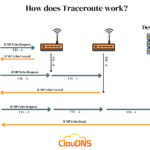
- Traceroute
- Speed test utilities
Network Security Tools
Security-focused protect networks from cyber threats.
They help with:
- Firewall management
- Intrusion detection
- Vulnerability scanning
- Traffic filtering
Network Management Tools
These tools help configure, manage, and optimize network devices.
Functions include:
- Router and switch configuration
- Firmware updates
- User access control
Popular Network Tools and Their Uses
Several network tools are widely used across different platforms due to their reliability and effectiveness.
Commonly Used
- Ping: Checks device reachability and response time
- Traceroute: Tracks data packet paths
- IP Scanner: Identifies devices on a network
- Bandwidth Monitor: Analyzes data usage
- Packet Analyzer: Inspects network traffic
Real-World Example
A company experiencing slow internal applications can use bandwidth monitoring tools to identify which devices or applications are consuming excessive network resources.
Benefits of Using Network Tools
Using network tools provides measurable advantages for both individuals and organizations.
Key Benefits
- Faster issue detection and resolution
- Improved network reliability
- Enhanced security and threat prevention
- Better capacity planning
- Data-driven decision making
For IT teams, network tools reduce manual work and improve response times, ensuring consistent service quality.
How to Choose the Right Network Tools
Selecting the right network tools depends on network size, complexity, and usage requirements.
Selection Criteria
- Network scale (home, small business, enterprise)
- Required features and automation
- Ease of use and reporting
- Compatibility with existing systems
- Budget and licensing model
Home users may only need basic tools, while enterprises require advanced monitoring and security platforms.
Best Practices for Using Network Tools
To get the most value from network tools, best practices should be followed.
Practical Tips
- Use multiple tools for comprehensive analysis
- Monitor networks continuously
- Keep tools updated
- Document findings and changes
- Train staff on tool usage
Consistent use of network tools leads to proactive network management rather than reactive troubleshooting.
Limitations of Network Tools
Despite their benefits, network tools have limitations.
Common Limitations
- False positives in alerts
- Learning curve for advanced tools
- Resource usage on monitored systems
Understanding these limitations helps users interpret results accurately and avoid misconfiguration.
Conclusion
Network Tools are indispensable for maintaining healthy, secure, and high-performing networks. They provide visibility into network operations, help identify and resolve issues quickly, and support informed decision-making. Whether you are a home user aiming to improve WiFi performance or an IT professional managing complex infrastructure, using the right network tools ensures reliability, efficiency, and peace of mind in an increasingly connected world.